
This week’s episode leans a little more literary than usual—less breaking news, more storytelling, and a surprisingly thoughtful mix of sci-fi, horror, and real-world weirdness.
Real Life
Ben kicks things off by consciously shifting gears—less doomscrolling, more reading. A noble goal, and honestly, one that might save his sanity. That theme carries through the episode more than expected.
Steven brings in the tabletop energy with Cyberpunk Red Combat Zone, diving into a recent session with Greg. Not only did he get some solid playtime in, he actually won—a rare enough event to deserve celebration. He breaks down how the game feels on the table, what works, and why it scratches that tactical cyberpunk itch without bogging players down.
Ben circles back with The Orville, speculating about a possible season 4 and reflecting on season 3’s pacing issues. Longer episodes aren’t always better, and the conversation drifts into something more interesting: can “pop culture” even exist in something like Star Trek? Or does referencing it break the illusion of the future? It’s a surprisingly deep rabbit hole for a show that also features goo aliens and karaoke.
Devon wraps the segment with a mini review of Dust Bunny, which sounds like it refuses to sit cleanly in any genre—magical realism, horror, maybe assassins? It’s got strong #Benergy. He’s also been bouncing between shows lately and not finding anything that sticks, which is a feeling a lot of people are quietly having right now.
Future or Now
Ben taps out this week and lets the science crew cook.
Steven brings in a genuinely useful study: a clinical trial showing that specially designed music with auditory beat stimulation can significantly reduce anxiety. The standout detail? A 24-minute session hit the sweet spot—long enough to have a measurable effect, short enough to be practical. That idea of a “dosage” for music is interesting, especially if you’re someone trying to manage stress without adding another hour-long routine to your day.
https://www.sciencedaily.com/releases/2026/03/260315225133.htm
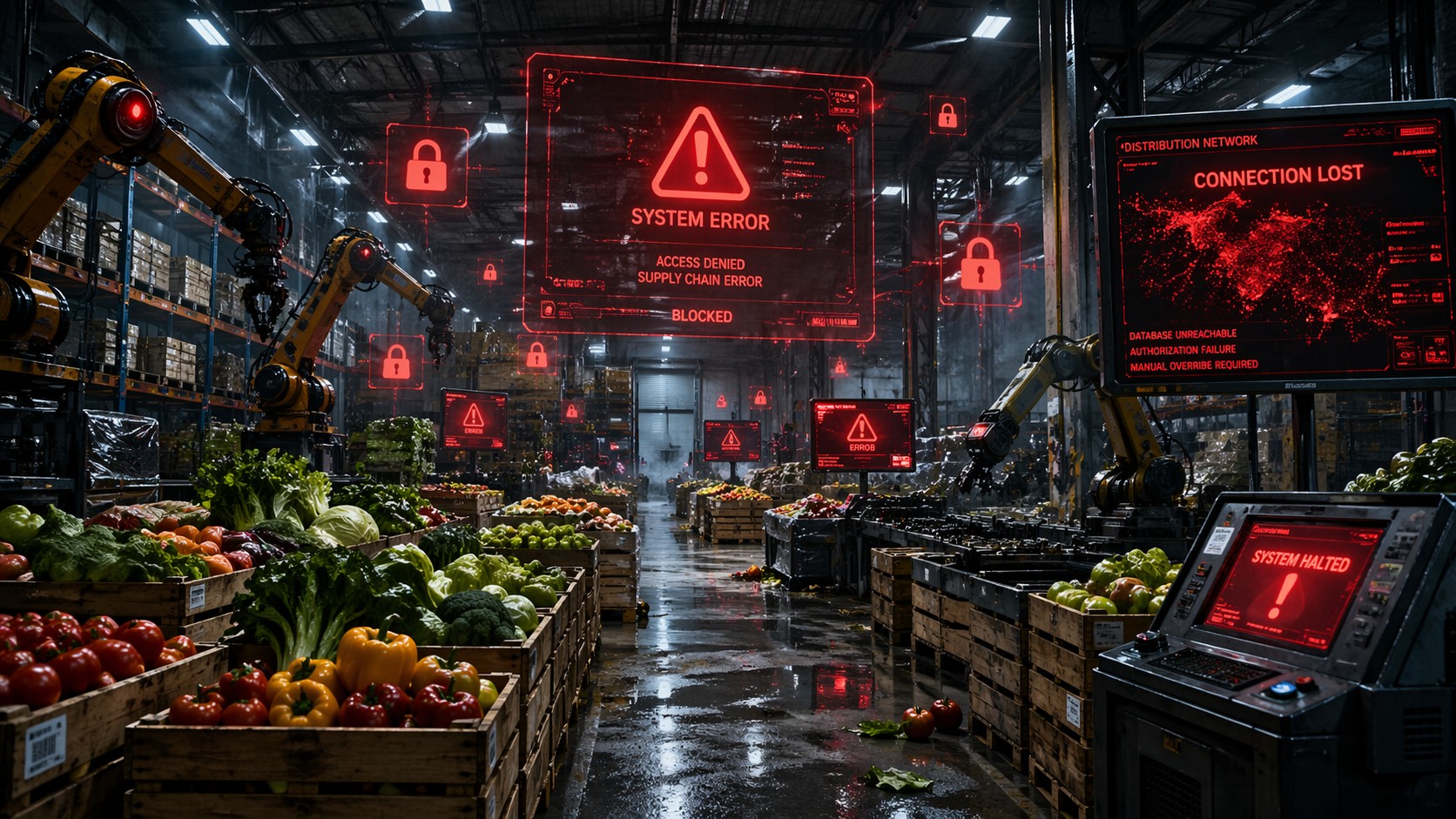
Devon follows with something more unsettling. Modern food systems are increasingly dependent on digital approval layers—databases, logistics software, automated verification. The result? Perfectly good food can sit unused or be thrown away simply because a system won’t recognize it. Not spoiled. Not unsafe. Just… digitally invisible. It’s a quiet kind of fragility that doesn’t show up until it really, really matters.
https://www.sciencedaily.com/releases/2026/04/260403224505.htm
Book Club
Next week, the crew is reading Learning to Be Me by Greg Egan, which opens with one of those classic sci-fi hooks that immediately rewires your brain: a child learning there’s something inside their skull learning to become them. If you know Egan, you know this is going to get existential fast.
This week’s discussion centers on Morning Shed by Namita Krishnamurthy, and it lands somewhere between horror and speculative fiction. The premise is visceral and unsettling, and the reactions reflect that. Steven really connects with the writing style—there’s something about the way it unfolds that sticks. Devon appreciates it but keeps a bit of distance. Ben, as usual, digs into the meaning, questioning how literal or metaphorical the story’s elements are.
It’s one of those discussions where nobody’s wrong, but nobody fully agrees either—which is exactly where the best conversations tend to live.
If this episode has a throughline, it’s this: systems—whether they’re games, shows, bodies, or entire food networks—only work as well as the assumptions behind them. And when those assumptions get weird, everything else follows.
And yeah, Steven finally got a win. That might be the biggest sci-fi moment of all.
Leave a Reply